
People First. Projects Follow.
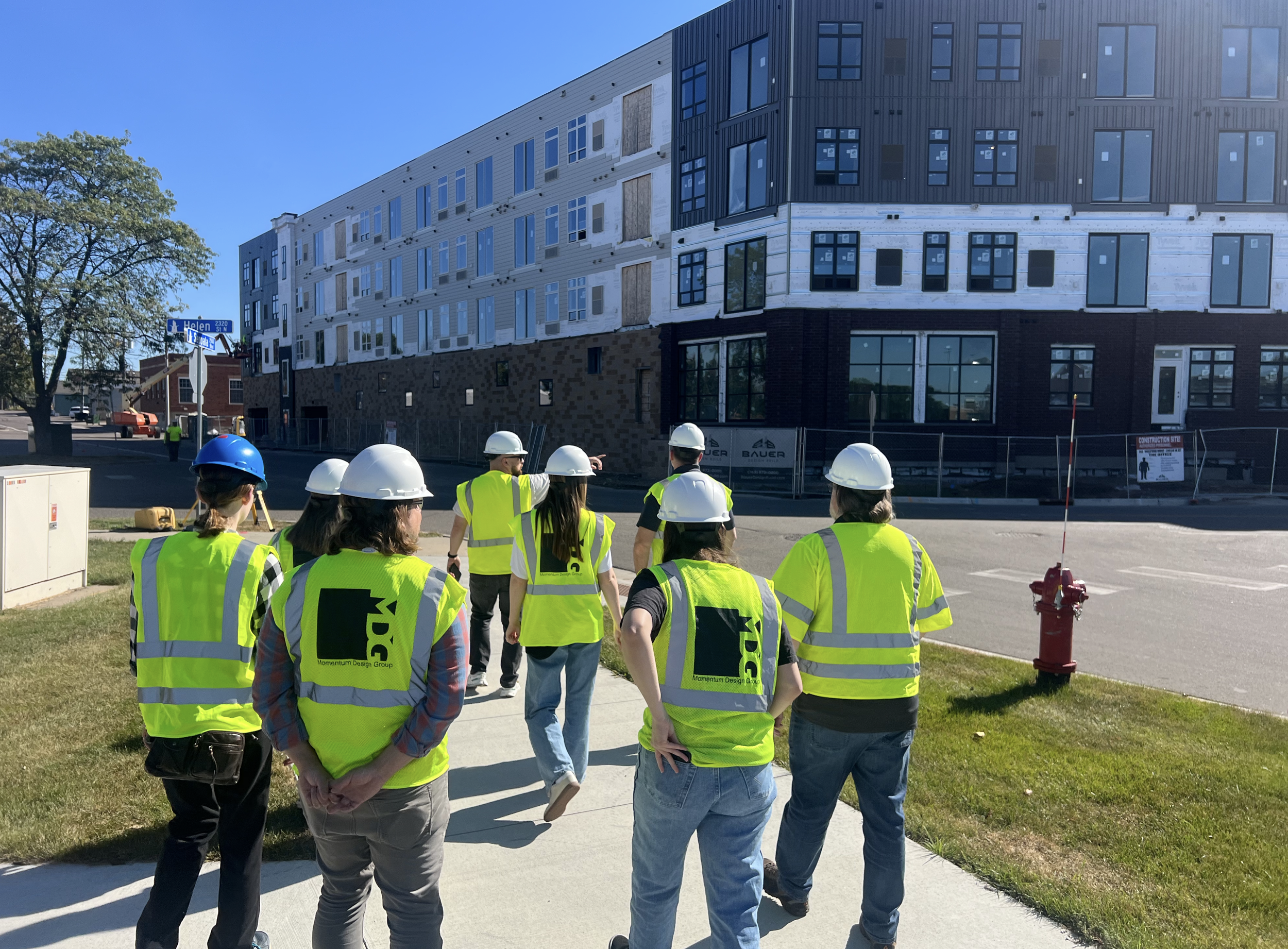
In architecture and construction, it’s easy to get caught up in the tangible things—drawings, deadlines, deliverables. But the truth is, projects don’t succeed because of what’s on paper alone. They succeed because of the people behind them.
At MDG, we know people are the heart of our practice. And over time, one thing has become clear: strong professional relationships aren’t just part of the job—they are the job.
Every project brings together a wide range of perspectives. Clients, architects, contractors, consultants—each with a defined role and a unique expertise. Those roles aren’t arbitrary, they’re carefully structured to keep projects moving forward. When everyone understands where they fit and respects the boundaries of that scope, things tend to click. When they don’t, things tend to… not.
But structure alone doesn’t build trust. People do.
Client relationships are where that trust is most visible—and most important. Clients rely on us not just for answers, but for guidance, clarity, and reassurance when things get complicated (because they always do). The best outcomes don’t come from having all the answers right away—they come from listening first, making space for clients to be heard, and then working together toward a solution. Sometimes that means delivering great news. Sometimes it means walking through a tougher conversation. Either way, transparency and responsiveness go a long way. People remember how the process felt just as much as what was delivered at the end.
The same is true on the construction side, where relationships with contractors and consultants shape the day-to-day reality of a project. There’s a common misconception that these relationships are adversarial by nature. In reality, everyone is working toward the same goal: a successful project for the client. When that shared purpose is front and center, the dynamic shifts. Collaboration becomes easier. Communication becomes more direct. And the work benefits from it. Respecting the expertise each party brings to the table—especially the hands-on knowledge of how things actually get built—creates a stronger, more resilient process.
Of course, none of this happens without a steady baseline of professionalism. And not just the surface-level kind. It’s easy to be polished when everything is going smoothly. It’s much harder—and much more important—to stay grounded when conversations get tense or challenges arise. That’s where professionalism really shows up: in the ability to stay calm, communicate clearly, and address issues early before they grow into something bigger. It also means recognizing when a situation has crossed a line and knowing when to step back and involve others. Respect isn’t negotiable, and maintaining it is part of the responsibility.
If there’s one thread that runs through all of this, it’s communication. Nearly every issue on a project can be traced back, in some way, to how information was shared—or not shared. Clear, timely, and honest communication keeps things moving. It builds confidence. It prevents small misunderstandings from turning into bigger problems. And while not every conversation is easy, the willingness to have them—openly and respectfully—is what keeps teams aligned.
None of this is meant to suggest that relationships in this industry are always simple. They’re not. Deadlines get tight. Opinions get strong. Challenges come with the territory. But avoiding those moments or letting frustration build under the surface rarely leads anywhere good. The most successful teams lean into the complexity. They work through it together. And in the process, they build something stronger than just a finished project.
Because in the end, great work doesn’t come from perfect conditions. It comes from good people, working well together, even when things get complicated.
And that’s something we’ll always stand behind.